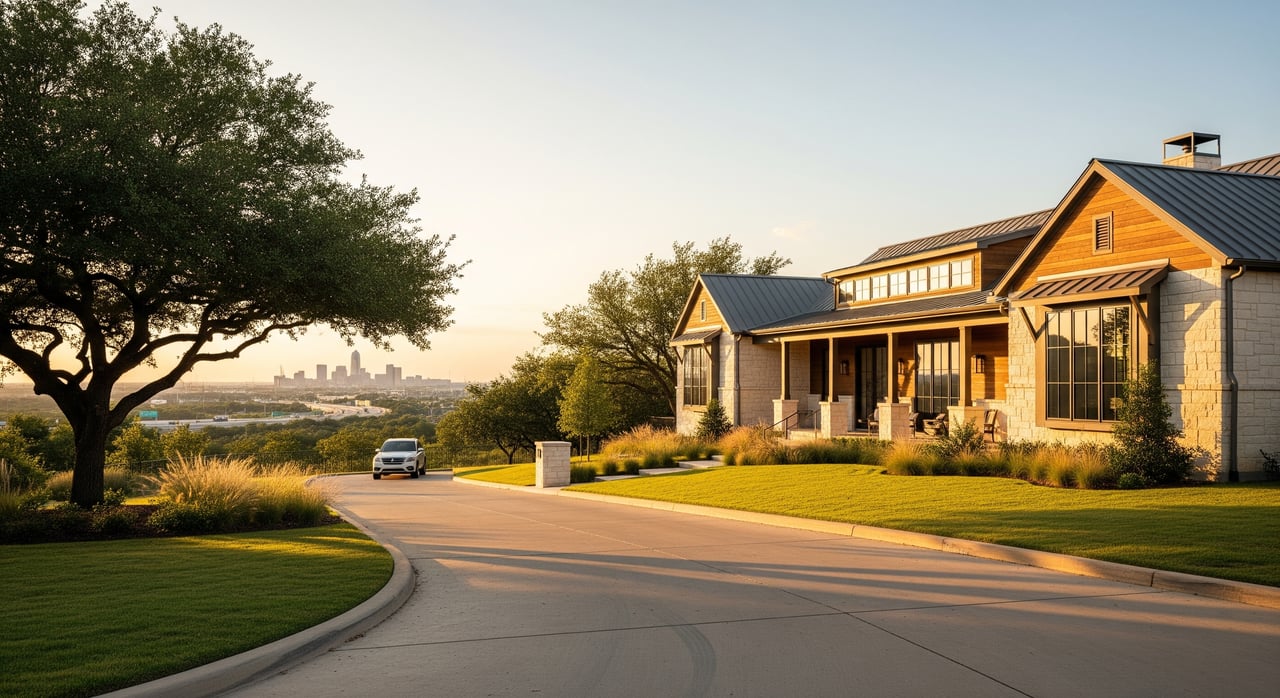
Thinking about relocating to Arlington but unsure where to start? You might be weighing commute times, wondering which neighborhoods fit your lifestyle, and trying to map out a smooth home search. You are not alone. This guide breaks down commute realities, neighborhood options, and a practical checklist to help you buy with confidence in Tarrant County. Let’s dive in.
Arlington commute essentials
Key highways to know
Arlington sits between Fort Worth and Dallas along the I-30 corridor, with I-20 across the south side and SH 360 running north to south. Most residents drive, so your day-to-day experience often comes down to your route and timing. Traffic builds during peak hours on I-30, I-20, and SH 360, and it can spike on event days near AT&T Stadium, Globe Life Field, and Six Flags.
• Tip: Test-drive your commute at your typical departure time on a weekday. Time your route on I-30, I-20, and SH 360. Do a second run on a game or concert day if you are considering homes near the Entertainment District.
Public transit and alternatives
Arlington does not have local passenger rail that plugs into DART or TRE as of mid-2024. There are on-demand microtransit options and regional services that help with certain trips, but most daily commuters still rely on cars. If you hope to go car-light, confirm current microtransit coverage, vanpool options, or employer commute programs before you commit to a neighborhood.
Airport access
If you travel often, Arlington offers straightforward access to DFW International Airport and Dallas Love Field by car or rideshare. Plan your route from any home you are considering and check drive times during peak periods. Proximity to DFW can be a major plus for frequent flyers.
Neighborhoods at a glance
North Arlington
You will find established, tree-lined neighborhoods and a mix of mid-century homes, apartments, and some infill near the downtown and UTA corridor. Living here can mean shorter drives along I-30 to both Fort Worth and Dallas and easy access to River Legacy Park. Older homes may need updates, so pay close attention to roof age and foundation health during inspections.
Entertainment District
This area blends stadiums, Texas Live!, Six Flags, hotels, restaurants, and new multifamily options with nearby single-family pockets. It is a strong fit if you love living near major venues and hospitality jobs. Expect event-day traffic and occasional noise; visit during a game or concert to see if the energy matches your lifestyle.
South Arlington
South Arlington features newer subdivisions and some master-planned communities, often with larger lots and neighborhood amenities. Buyers who want newer construction, more space, and community pools or trails often start here. Review HOA rules and fees, and understand builder timelines and warranty coverage if you are considering a new build.
West Arlington
Closer to the Fort Worth line, you will see transitional areas and older subdivisions with a range of single-family homes. Value-minded buyers often target this side for proximity to Fort Worth jobs and I-20 access. Plan for potential renovation needs in older properties and build an inspection budget accordingly.
Your Arlington home search checklist
Set priorities and budget
Before you tour, rank your must-haves. Consider acceptable commute time, bedroom count, lot size, and proximity to parks or entertainment. Build a full monthly budget that includes mortgage, homeowner’s insurance, utilities, and local property taxes, which are a significant ongoing cost in Texas.
Schools and boundaries
Most of the city is served by Arlington ISD, and some areas near city edges may fall into neighboring districts. Verify the attendance zone for each property at the parcel level, since boundaries do not always align with city lines. Use district maps and state report cards to evaluate fit using neutral, factual information.
Inspections and local risks
North Texas has expansive clay soil that can cause foundation movement, particularly in older homes. Ask for a structural evaluation when needed, and review the maintenance history for HVAC systems, which work hard through hot summers. Check roof age and any hail or wind damage history, and include a termite inspection. Review FEMA flood maps and county floodplain data even if a home sits far from rivers or lakes.
Taxes, insurance, and utilities
Confirm the tax rate and assessed value through the Tarrant Appraisal District before you finalize your budget. Discuss homeowner’s insurance coverage for hail and wind and consider flood insurance where applicable. Ask about water providers, irrigation rules, and any drought restrictions, especially in newer developments that may use special utility districts.
Event-day and noise checks
If you are eyeing homes near the stadiums or major venues, drive the area during an event. Note parking patterns, temporary closures, and ambient noise. A quick evening visit can validate that the lifestyle fits you.
Work with the right team
A local agent with Arlington experience can help you align commute needs, neighborhood fit, and inspection priorities. Pair that with a local lender who factors property taxes and insurance into your monthly estimate so there are no surprises at closing. Lean on local title partners who understand Texas contracts and closing practices.
Market timing basics
Spring usually brings more listings and buyer activity, but opportunities appear year-round. New construction and employer moves can shift inventory and demand at any time. Track days on market and pricing trends with your agent so you can move quickly when the right home hits.
Ready to make your move?
Relocating is easier when you have a clear plan and trusted local guidance. From commute testing and neighborhood shortlists to targeted tours and smart offer strategy, you can make Arlington feel like home fast. If you are a time-pressed professional or planning a family move, our team’s white-glove process makes it smooth from start to keys.
Have questions or want a personalized neighborhood and commute consult? Reach out to Shannon Johnson to start your Arlington home search with a team that knows Tarrant County inside and out.
FAQs
How long is the commute from Arlington to Dallas or Fort Worth?
- It depends on your exact route and time of day, so map your work address and test-drive I-30, I-20, and SH 360 during rush hour and on event days.
Is public transit practical for daily commuting in Arlington?
- Rail is not currently available within the city and most residents drive; confirm any microtransit zones, vanpools, or employer shuttles if you want alternatives.
Which Arlington neighborhoods offer newer homes and amenities?
- Many buyers look to South Arlington for newer subdivisions and master-planned communities, often with HOAs and community features like pools and trails.
What should I know about property taxes in Arlington, TX?
- Texas has no state income tax and relies on local property taxes; verify parcel-level assessments and tax rates with the Tarrant Appraisal District before you buy.
Are foundation issues common in Arlington homes?
- Expansive clay soils can cause movement in some properties, so include a structural inspection when appropriate and budget for maintenance or repairs.
What is it like living near Arlington’s stadiums?
- Expect higher traffic and more noise on game and concert days; visit during an event to see parking patterns, road closures, and overall activity firsthand.